

















![Coach’s Corner: Konopasek on Iron volleyball’s 34-6 run, what’s next [video]](https://nchsinkspot.com/wp-content/uploads/2025/11/Vball-season-recap.00_00_02_22.Still005.png)


![Postgame: Volleyball falls to Marist in supersectional [video]](https://nchsinkspot.com/wp-content/uploads/2025/11/Vball-postgame.png)



![Halloween candy cross section quiz [quiz]](https://nchsinkspot.com/wp-content/uploads/2022/10/Candy-cover-big-900x675.png)
![Average Jonah? [quiz]](https://nchsinkspot.com/wp-content/uploads/2022/05/average-jonah-900x600.png)



![[Photo Illustration]](https://nchsinkspot.com/wp-content/uploads/2025/09/trigger-words-1.png)


![On the Spot: Students, staff share their takes on groundbreaking music [video]](https://nchsinkspot.com/wp-content/uploads/2026/02/Untitled-7-1.png)

![The Up-Beat – Snow, stage sets and an Illinois upset [video]](https://nchsinkspot.com/wp-content/uploads/2026/01/Untitled-10.png)
![Coaches’ Corner: Witzig, Feeney break down team identity, key growth, the road to March [video]](https://nchsinkspot.com/wp-content/uploads/2026/01/Coaches-Corner-Jan-21-1200x675.jpg)
![On the spot: Community’s favorite movies [video]](https://nchsinkspot.com/wp-content/uploads/2026/01/On-the-Spot-7.png)



![On the Spot: Staff, students sound off on the Chicago Bears’ playoff run [video]](https://nchsinkspot.com/wp-content/uploads/2026/01/On-the-Spot-4.png)
![Hauntcert performers on why this year’s show hits all the right notes [video]](https://nchsinkspot.com/wp-content/uploads/2025/10/Untitled-2.png)



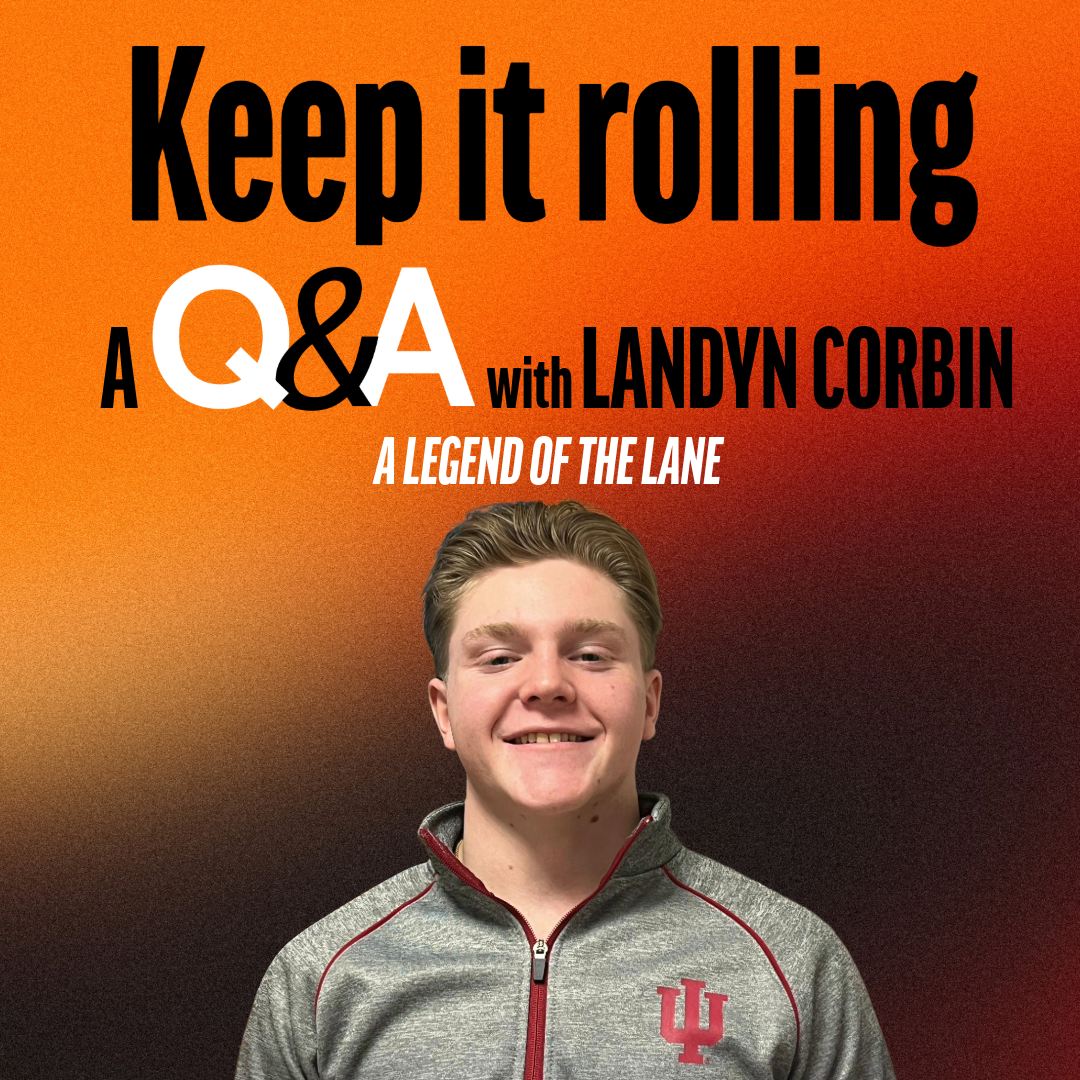

Senior Landyn Corbin placed third at the IHSA Boys Bowling Regional in Danville on Jan. 16, rolling a 1,231 series over six games with a high game of 289 to advance to next weekend’s sectional in Morris. The Inkspot caught up with the local legend of the lane to break down his approach to bowling, his success and the mental adjustments he’s leaning on heading into the postseason.
This interview has been edited for clarity and length.
Q: Who got you into bowling, and what do they mean to you now?
A: My family’s bowled since they were kids as well. It helped that family got into it. It’s another sport that I really enjoy, and it’s brought me to where I am today. It’s shaped me and what I surround myself with. It involves a lot of problem solving and quick thinking.
Q: When you think back to last season’s postseason run, what’s the first moment that pops into your head?
A: Last year at the end of my regional, I busted my thumb open in my last game. It got pretty messy. Thankfully, I was able to move on to sectionals, but the main thing that held me back was the big blister on my thumb.
Q: What did you learn during that run that you’re trying to apply heading into regionals?
A: You always have to be ready to face some adversity. Not everything’s going to go perfect, and you’re going to have to adjust how you think and what you do on the fly. It’s important that you take your time to really understand what you’re doing before you act.
Q: What’s the biggest key for you mechanically?
A: We call it posting your shot. If you post your shot, you made a good shot. When you slide to the line, you gotta stick it. You have to keep your balance. You’re going to post your shot if you stay on time, if your release is right, if you’re projecting the ball down the lane. It might not always reflect the best outcome, but posting your shot is definitely the biggest thing you need to do when you ball.
Q: What’s different about your game now compared with this time last year?
A: I got a healthy hand, which will be pretty nice. I’ve put in a lot more practice and made adjustments and focused on the more mental side of the game as well. I have another ball in my arsenal, which will help me get through the breakdown of the lanes because I struggled on the back half last year.
Q: What’s your main miss and how do you fix it mid-match?
A: It’ll vary because I could miss right a couple boards or miss left a couple boards and I might not have the best outcome because of that. What I do is slow down and take my time to really make that shot perfect.
Q: What’s one adjustment you’ve worked on the most this season?
A: Trying to be more straight up on the lanes. I like to hook the ball a lot and go across lanes and create more angles, but I’ve learned that staying up the back of the ball and keeping it straight down a lane can also be a big benefit with how the shots tend to play.
Q: What’s your spare ball setup, and how do you change your shot for spares?
A: It’s actually a urethane. It won’t pick up the oil very well, but it’ll spread it out, so it’ll go further down the lane. I can also use it as a strike ball, but it’s much different compared to what normal people use.
For my spare shots, I stay up the back of the ball more, keeping my hand flat so I’m not getting the revs on the ball to check up or hook before it gets to the spare.
Q: Walk me through your typical tournament routine from arrival to the end.
A: Usually when we get there, we have check-ins. You get your name tag and badge, and you’ll check your balls in. You get codes that are imprinted in the balls, and you write them down on a piece of paper to make sure they’re all certified through the IHSA or USBC rules.
Then you get your lane assignments. I’ll walk in, talk a little bit with everybody to get to know who they are. It’s important to get to know the environment around you because bowling is such a unique sport. Not everybody is going to have the same stuff. You might also need someone’s help later.
You’ll stretch out the arms and legs … and then they play the national anthem and you start practice.
For IHSA, you bowl three games in the morning … you’ll have about two hours to eat, and then you’ll start again in the afternoon. You bowl three more games and they’ll do the cuts after. I think they take the top 15.
If you lose, you go home and reflect on how you did that day. If you win, you move on and think, ‘How can I do better?’ Because things will go wrong and you’ll have to mentally adjust for the better.
Q: What’s your favorite part of tournament days and your least favorite?
A: My least favorite part is getting out of my comfort zone. You’ll go to different alleys and see different oil patterns or shots that are out on the lane, and you’ll have to approach things differently.
Favorite part? Probably just bowling. Just being around the sport that I’ve played since forever. It’s really good to see more people picking it up at the high school level.
Q: In a high-pressure moment, what do you tell yourself?
A: Stay calm and in control. Emotions tend to run high, so slow yourself down. Force yourself to make a better shot than you did before, but don’t be so hard on yourself. Things are going to go wrong, so you have to relax and think about how you can do something better without getting too emotional, because emotions tend to reflect on the lanes and how you throw.
Q: When things go wrong, what’s your reset?
A: I come back and I talk to my coach, who’s also my dad. He’ll get my mindset back to where it needs to be. It’s definitely very mental, nothing physical at all. It’s ‘How do I compete to stay in the game?’
Usually after a bad shot, you know what you did wrong, but sometimes you don’t. So you have to use the people around you to help guide you. You have to be accepting of that information to go on and make a better shot next time.
Q: What’s a moment you’re proud of that doesn’t show up in stats?
A: How far I’ve come. I stopped bowling competitively a couple years ago when I started playing baseball more seriously. Baseball alone comes once, but keeping up bowling and trying to maintain and still shooting around 200 hundred averages is something I love to keep doing. You don’t see that too often anymore.
Another thing I’m proud of is helping grow the sport. I don’t bowl all the time anymore, but I love to help coach, whether it be my little sister or just people around the alley who are asking for help.
Because we’re going to need more bowlers to keep the sport going, and it’s going to take a lot of us.
Q: What’s something most people don’t realize about bowling until they try it competitively?
A: It’s the most mental sport you’ll ever play. It takes a toll on your body, especially your hand, and makes you think about things in more detail. The best bowlers have the best mental side on the game.
It’s not about how many bowling balls you have or how fast you throw them or what your highest game is. It’s definitely about the mental side, and people don’t realize that.
Q: What’s your mindset going into sectionals.
A: Take it one step at a time. I’m super excited to have the opportunity as the only male bowler from Community. And we’ll see where it takes us.