
















![Coach’s Corner: Konopasek on Iron volleyball’s 34-6 run, what’s next [video]](https://nchsinkspot.com/wp-content/uploads/2025/11/Vball-season-recap.00_00_02_22.Still005.png)


![Postgame: Volleyball falls to Marist in supersectional [video]](https://nchsinkspot.com/wp-content/uploads/2025/11/Vball-postgame.png)



![Halloween candy cross section quiz [quiz]](https://nchsinkspot.com/wp-content/uploads/2022/10/Candy-cover-big-900x675.png)
![Average Jonah? [quiz]](https://nchsinkspot.com/wp-content/uploads/2022/05/average-jonah-900x600.png)


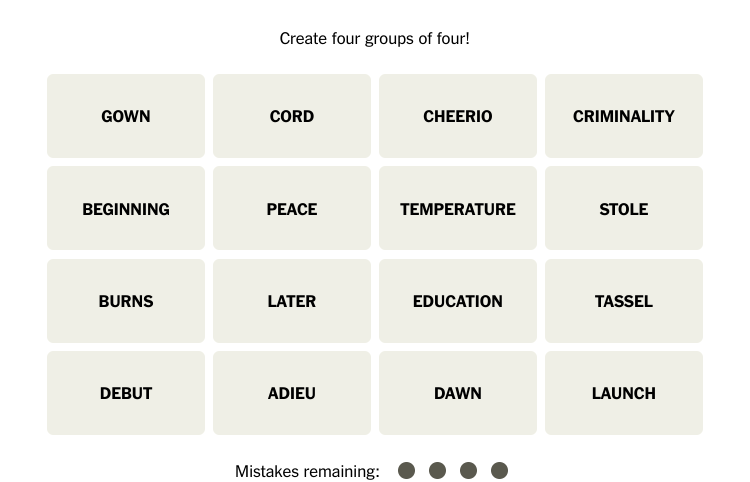
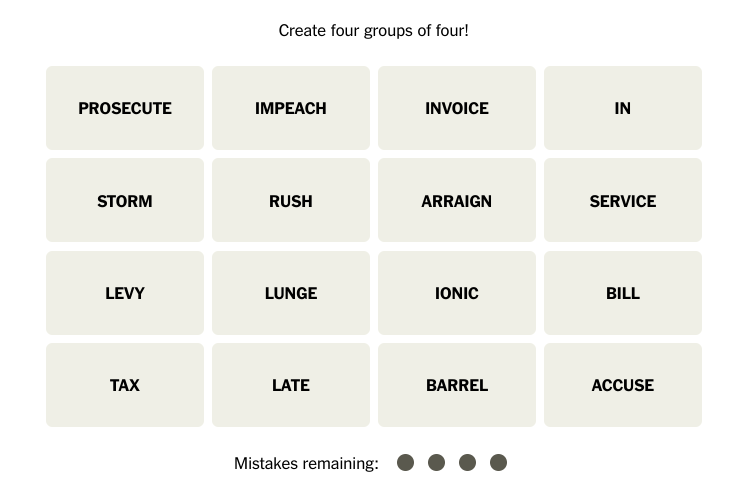
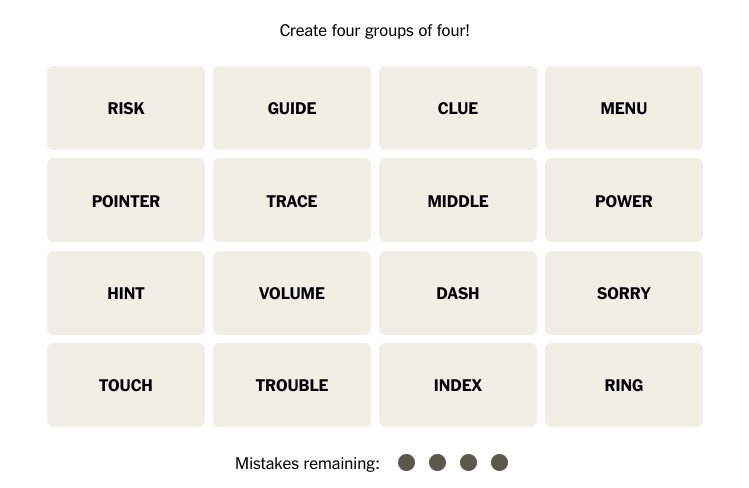
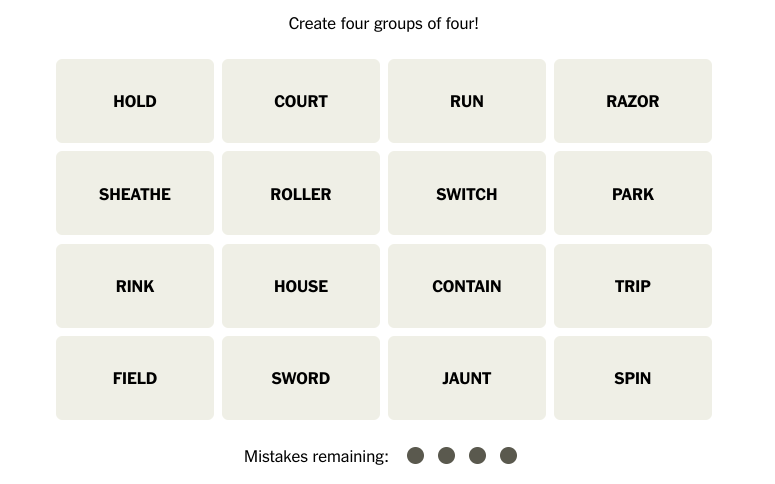


![[Photo Illustration]](https://nchsinkspot.com/wp-content/uploads/2025/09/trigger-words-1.png)


![On the Spot: Students, staff share their takes on groundbreaking music [video]](https://nchsinkspot.com/wp-content/uploads/2026/02/Untitled-7-1.png)

![The Up-Beat – Snow, stage sets and an Illinois upset [video]](https://nchsinkspot.com/wp-content/uploads/2026/01/Untitled-10.png)
![Coaches’ Corner: Witzig, Feeney break down team identity, key growth, the road to March [video]](https://nchsinkspot.com/wp-content/uploads/2026/01/Coaches-Corner-Jan-21-1200x675.jpg)
![On the spot: Community’s favorite movies [video]](https://nchsinkspot.com/wp-content/uploads/2026/01/On-the-Spot-7.png)



![On the Spot: Staff, students sound off on the Chicago Bears’ playoff run [video]](https://nchsinkspot.com/wp-content/uploads/2026/01/On-the-Spot-4.png)
![Hauntcert performers on why this year’s show hits all the right notes [video]](https://nchsinkspot.com/wp-content/uploads/2025/10/Untitled-2.png)







Valentine’s Day shows up every Feb. 14 with the usual lineup: candy grams, roses, heart-shaped everything and a lot of “so… what are we?” conversations.
But the holiday didn’t start as a greeting card company invention. It began as a Christian feast day connected to a martyr named Valentine.
The twist is that historians still can’t point to one clear, agreed-upon biography.
According to historians, more than one early Christian martyr was named Valentine. Over time, their stories blurred together, which is why Valentine’s Day has what many call a “murky” origin.
That uncertainty matters because it’s the reason popular origin stories often get repeated like facts even though they lean heavily on legend.
The most famous legend: secret weddings
One of the best-known stories involves a Roman emperor often identified as Claudius II.
According to the legend, the emperor wanted more soldiers and believed single men fought better, so he discouraged marriage.
Valentine is described as a priest who secretly married couples anyway and was executed for defying the ruler.
It’s a compelling story—but it isn’t something documented cleanly with solid primary sources. Many leading historians and sources like Encyclopaedia Britannica cast doubt on this origin.
The “From your Valentine” letter story
Another popular legend tries to explain where the word “valentine” comes from. According to the story, Valentine, jailed before his death, wrote a note and signed it “From your Valentine.”
It’s a perfect origin story for cards, but according to historians, it’s treated as tradition and legend rather than a confirmed historical moment.
Why Feb. 14?
Even the date is complicated.
Many modern summaries credit Pope Gelasius I in the late 400s with recognizing Feb. 14 as St. Valentine’s Day, according to historical accounts. Some versions connect that decision to replacing the Roman festival Lupercalia, but according to scholars, evidence for a direct one-for-one “swap” is debated.
Valentine’s feast day also changed over time. According to Catholic records, the celebration was removed from the Catholic Church’s general calendar in 1969 because of historical uncertainty. Valentine remained listed in the Roman Martyrology, according to the church’s records, and the day is still observed in some calendars and traditions.
When did it become about romance?
The hearts-and-flowers version came later. According to many historians, Valentine’s Day became strongly linked to romance and courtship during the Middle Ages. Writers including Geoffrey Chaucer are often cited, according to historians, as part of the shift that helped connect Feb. 14 with love.
Valentine’s Day, in other words, is both familiar and mysterious: a holiday everyone recognizes, built on a saint whose story, according to historians, was never preserved in one clear, agreed-upon form.